What happens when students take a real problem and turn it into a technology solution?
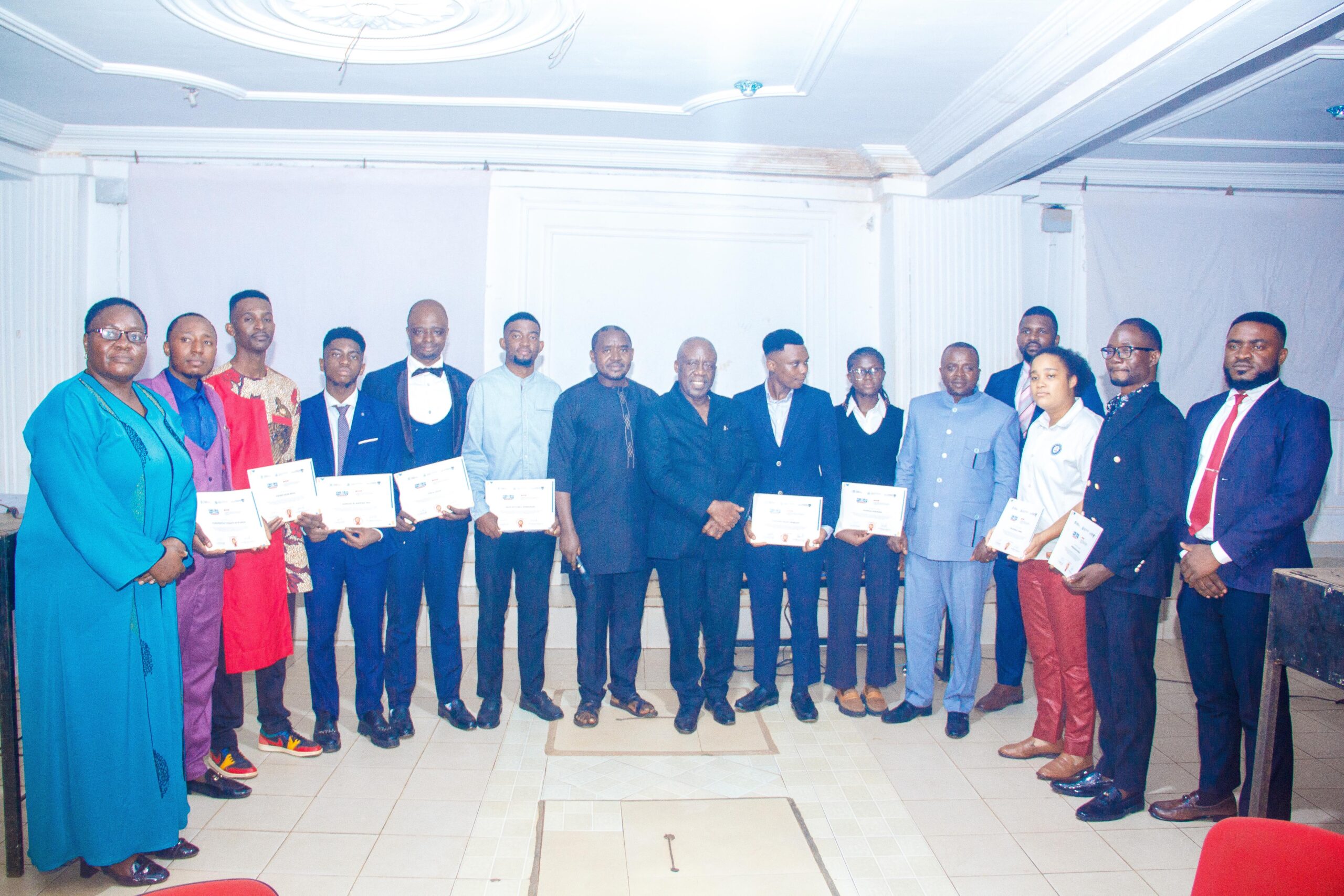
That question came to life during YIBS Tech Groove MTech Edition 2026. Students brought their ideas out of the classroom and into the real world.
The event was more than a technology presentation. It was a showcase of research, creativity, teamwork, and problem-solving. Students built solutions to support academic success, improve farming, and strengthen digital security.
Three projects stood out.
One helped students make better academic and career decisions. Another used artificial intelligence to support farmers with limited internet access. The third connected and protected three YIBS campuses.
Together, these projects showed what happens when students think beyond theory.
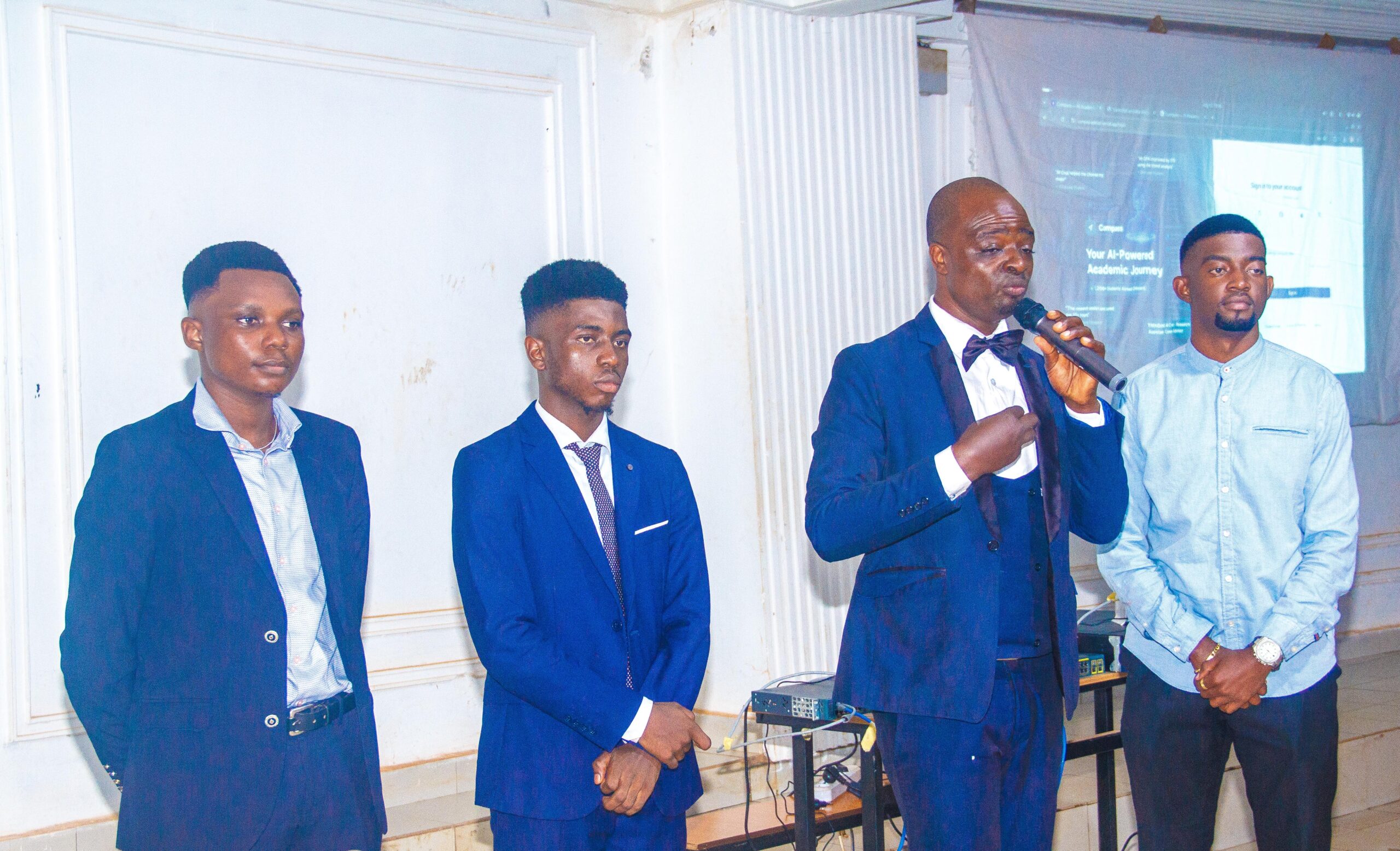
It gives useful guidance before small problems grow into big ones.
Compass also helps students find career paths that match their studies. It does not just hand students information. It gives support built around their needs.
The idea is simple: students should get the right support at the right time.
Compass turns academic data into useful guidance. It shows how technology can improve the student experience and help learners make better choices about their future.
Making the right academic and career decisions is hard. Students often struggle to understand their own performance. They may not know where they need help. They may not know which career path fits their goals.
This is where Compass comes in.
The team built an intelligent academic advisor. It follows a student’s progress through their university journey. It looks at academic performance and spots possible risks early.
Artificial intelligence is spreading into many industries. But not every place has easy access to it.
Farmers often face poor internet connectivity. This limits how much they can use modern digital tools. A system that depends on the cloud will not help much when there is no stable connection.
The second team took on this problem with Intelligent Edge AI.
Their system collects data from the farm. It captures images of plants. Instead of sending everything to the cloud, the device studies the data on the spot, using TinyML. TinyML is a form of machine learning built for small devices.
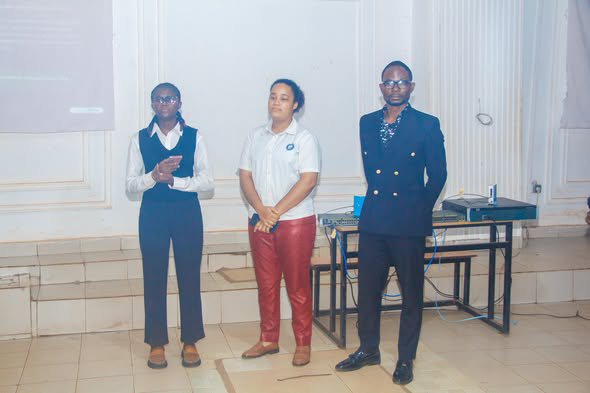
This means the system still gives useful information even when the internet is weak. Once a connection returns, it sends the collected data to the cloud.
This project shows good design. The team built a solution for the conditions farmers actually face, not the conditions they wish farmers had.
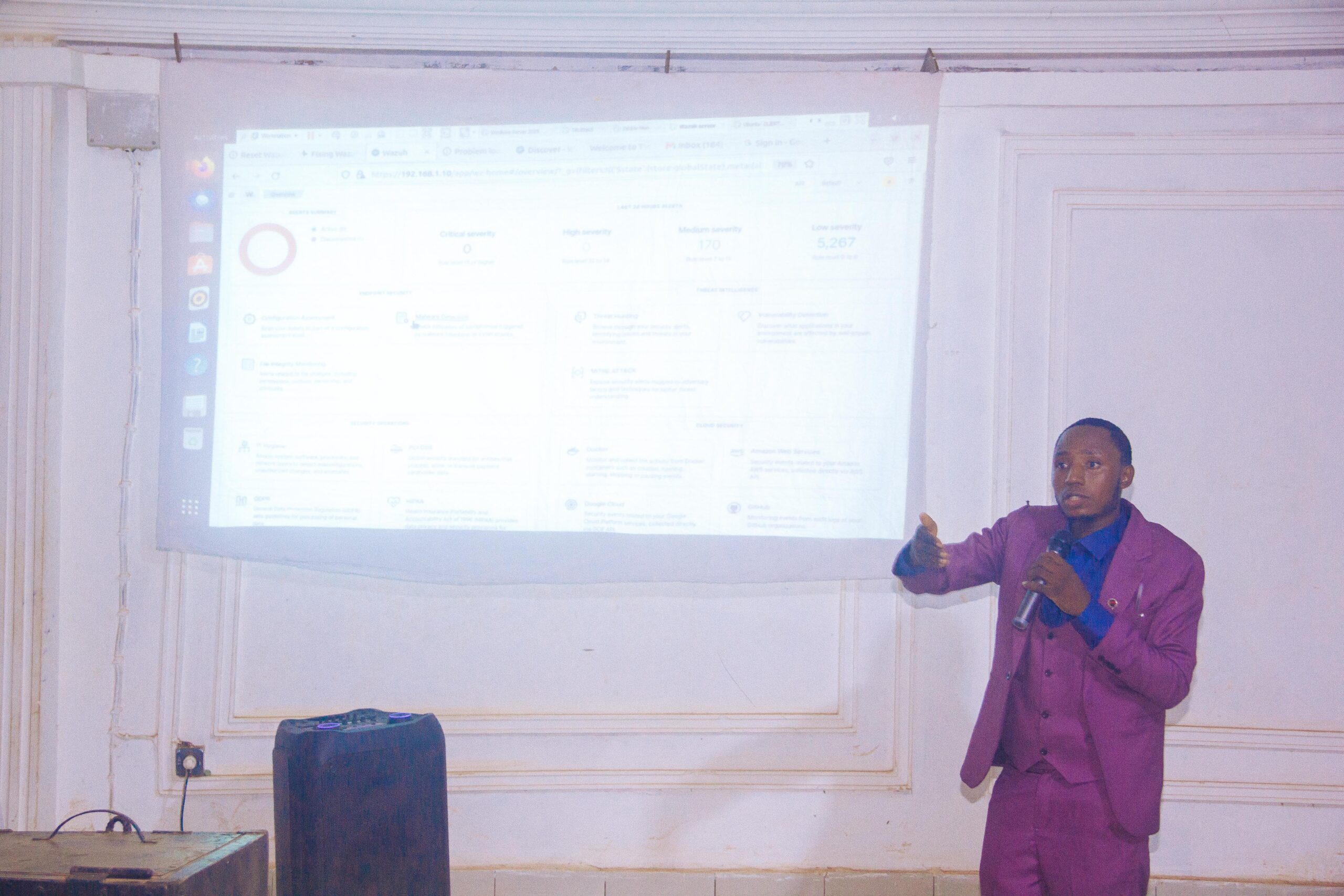
As YIBS continues to expand, its digital requirements are increasing alongside it. To support essential institutional services, the current project establishes a secure network connecting its two campuses Simbock, Obili, with the University of Bamenda, ensuring seamless communication and robust data protection across all sites.
The network links the three campuses. It uses proper addressing, routing, network segmentation, and quality-of-service planning. These choices improve performance and keep the system organized.
The network carries the school’s key services. This includes student records, learning platforms, email, websites, databases, communication tools, and user access. Many services share this same infrastructure, so it must be managed well.
Connection is not enough. Sensitive data needs protection too.
The team added encrypted communication, stronger authentication, data protection, and network monitoring. Their goal goes past simply connecting campuses. They want a safer, more trusted digital environment.
Their vision: move from connectivity to digital trust.
YIBS Tech Groove also showed why practical education matters.
Understanding a concept in class is one thing. Building something with it is another.
To build these projects, students had to research, make decisions, work with others, test their ideas, and push through setbacks. These are skills that go far beyond any single course.
They learned to face problems with curiosity. They learned to look for solutions that work in the real world.
This is the strength of practical learning: students learn what technology can do, and they learn how to use it with purpose.
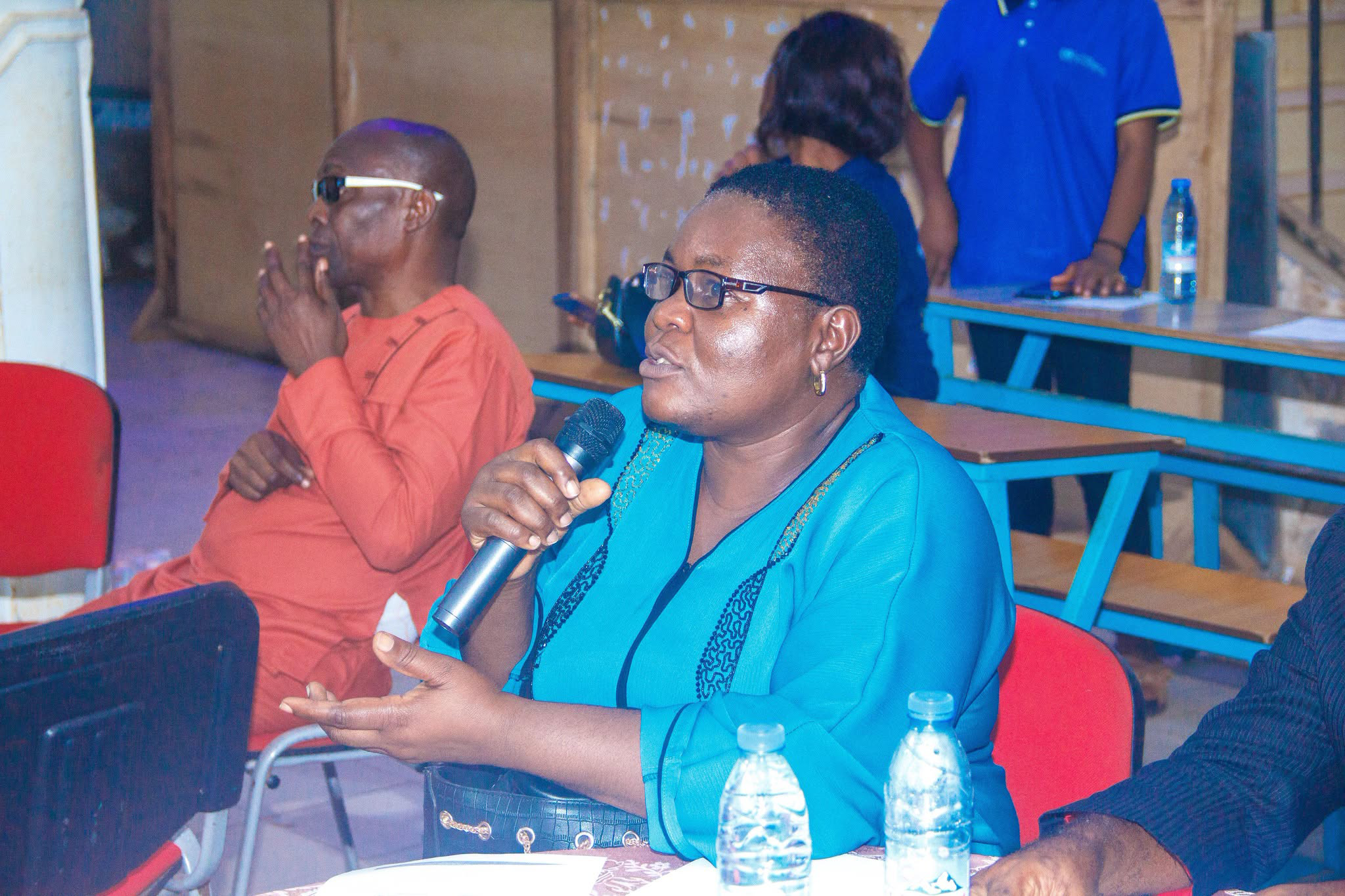
ISEST, YIBS’s sister institution, added another layer to the event.
ISEST focuses on engineering, science, and technology. YIBS focuses on business, management, and entrepreneurship. Bringing these fields together lets students see how different worlds connect.
A technology solution may need business planning. A business may depend on secure digital systems. Agriculture can grow with engineering and AI. Education itself can use technology to help students learn and get support.
This connection reflects the shared goal of YIBS and ISEST: prepare students to solve real problems and create real value.

Compass could help students get better academic guidance. The real value of YIBS Tech Groove is not just the projects on display. It is the thinking behind them.
Students looked at problems around them and asked how their knowledge could make things better. That mindset matters in a world where technology keeps changing how people work, learn, and do business.
The Edge AI system could support farmers with limited internet. The secure network project could strengthen communication and data protection across YIBS campuses.
These projects may keep growing. But they have already proven something important: student ideas can become useful solutions.
YIBS Tech Groove MTech Edition 2026 showed that innovation does not need a big invention to start.
Sometimes it starts with a simple question: what problem can I solve?
From there comes research, creativity, teamwork, testing, and learning.
This is the kind of experience that prepares students for the world beyond the classroom. It builds confidence. It teaches critical thinking, teamwork, and purposeful problem-solving.
At YIBS, students learn more than technology. They learn how to use it to make a difference.
The Tech Groove 2026, showed a real example of what it looks like.